"It's not true I had nothing on, I had the radio on" - Marilyn Monroe

Month: July 2026

QSL Mad Radio Athens 106.2 MHz

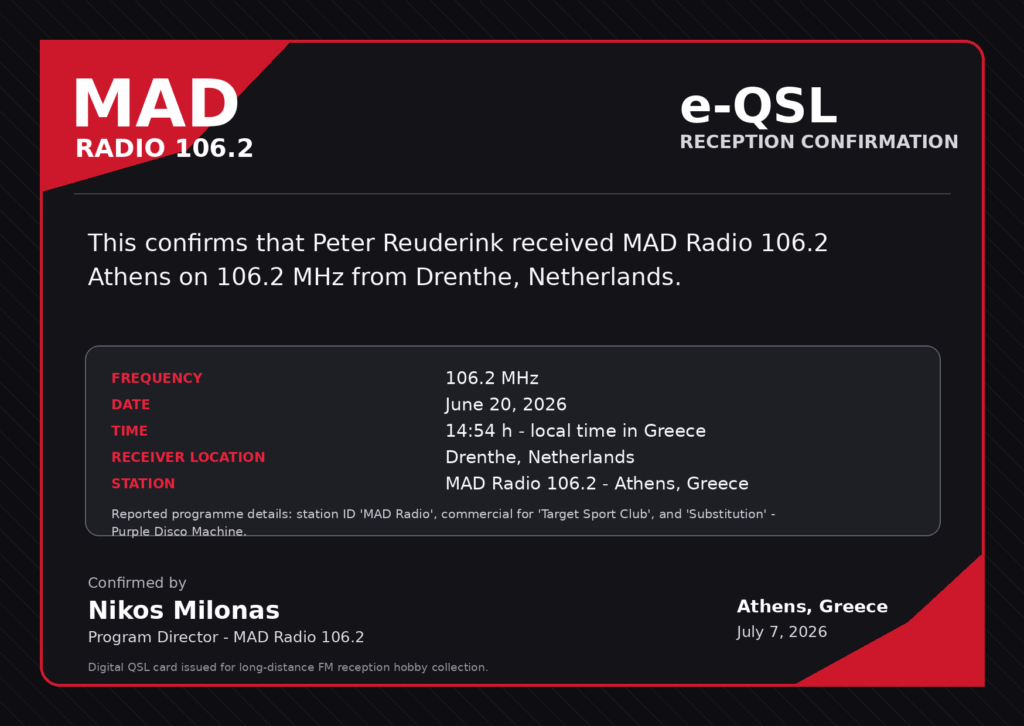
Despite best efforts, my scoring percentage on getting Sporadic E receptions QSL-ed was low this year. And thus I am already pleased with a friendly “Thank You” email reply. So imagine my joy when I received a fully detailed e-QSL card for my reception of MAD Radio 106.2 MHz from Athens, Greece.

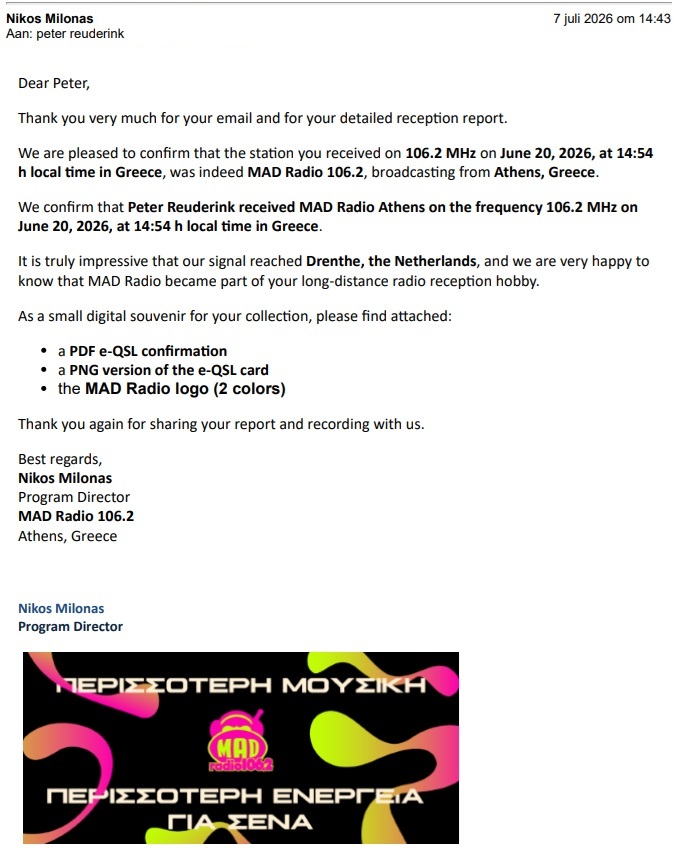
Mr. Nikos Milonas, Program Director sent me the e-QSL, logo’s (like the one above) and a nice email:

Mad Radio 106.2 (also known as MAD Radio) is a popular youth-oriented radio station in Athens, Greece, owned and operated by the MAD media group. It focuses on mainstream international pop, dance, and hits (roughly 90% international, 10% Greek), targeting younger listeners with high-energy programming, viral trends, and live shows.

Below my reception in pretty good quality of MAD Radio including a Target Sport Club commercial:

The station on 106.2 FM originated as Diva FM. In the mid-2000s (around 2005), following Greek media licensing and ownership changes, it was acquired by the Kouris family (linked to MAD) and renamed Mad Radio.

The broader MAD brand began with the launch of MAD TV (the first Greek music channel) on June 6, 1996. It grew into a major music and entertainment hub, including TV channels, events like the MAD Video Music Awards (MAD VMA), digital platforms, and retail. MAD Radio 106.2 is a key part of this ecosystem, extending the brand’s focus on youth culture, music, and lifestyle.

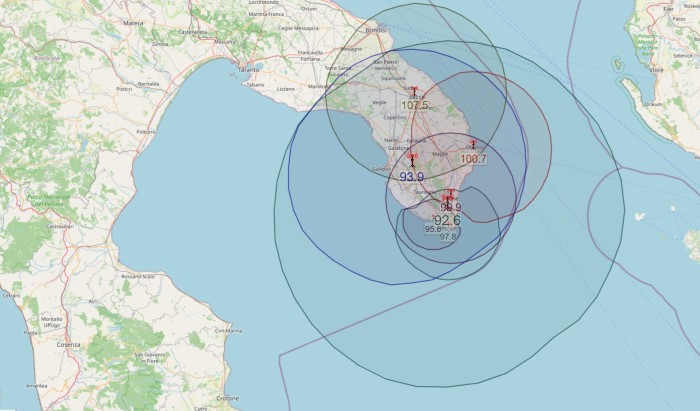
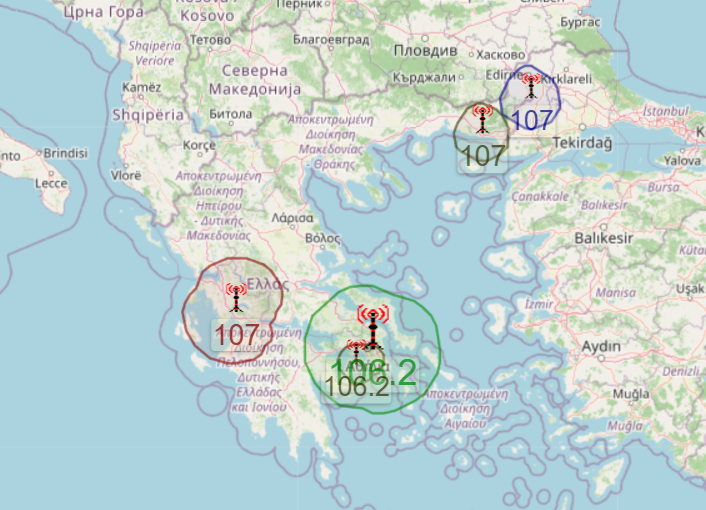
While most internet sources indicate that MAD Radio is broadcasting on 106.2 MHz only (with 40 kW), FMscan.org shows 4 additional transmitting sites, albeit with low (<2 kW) power.

Pop Shop Radio Canada Day QSL 9670 kHz

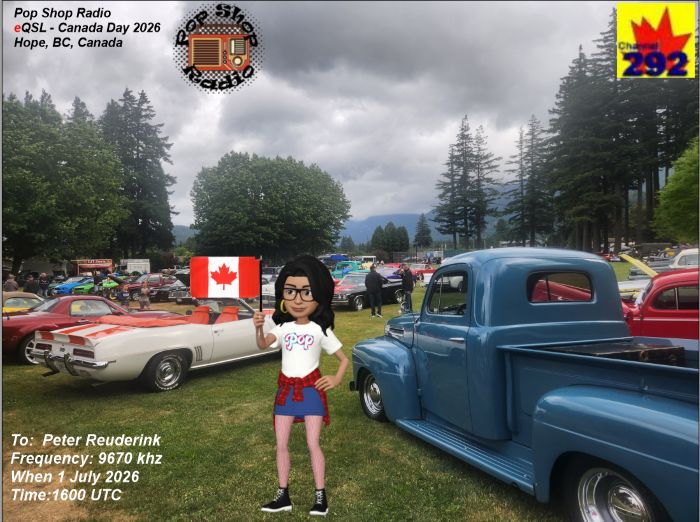
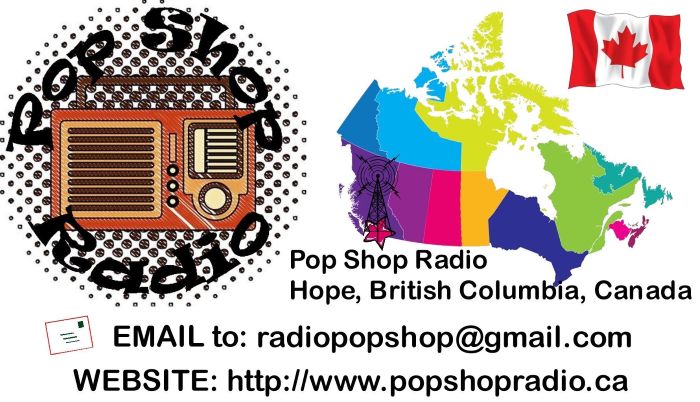
Having lived in Canada for 4 years I still remember Canada Day celebrations. So I had to tune in to the special Canada Day program of Pop Shop Radio via 9670 kHz, Channel 292 in Germany. My reception report was awarded with a nice eQSL reflecting the spirit of a typical Canada Day event.

Canada Day is seen as the birthday of Canada. It marks the anniversary of Canadian Confederation — the day in 1867 when the British North America Act united three separate colonies (Nova Scotia, New Brunswick, and the Province of Canada) into a single country called the Dominion of Canada. Originally referred to as Dominion Day it was renamed into Canada Day in 1982. It symbolizes the birth of modern Canada as a self-governing nation, although full independence came gradually later.

QSL Radius FM Minsk 72.11 MHz

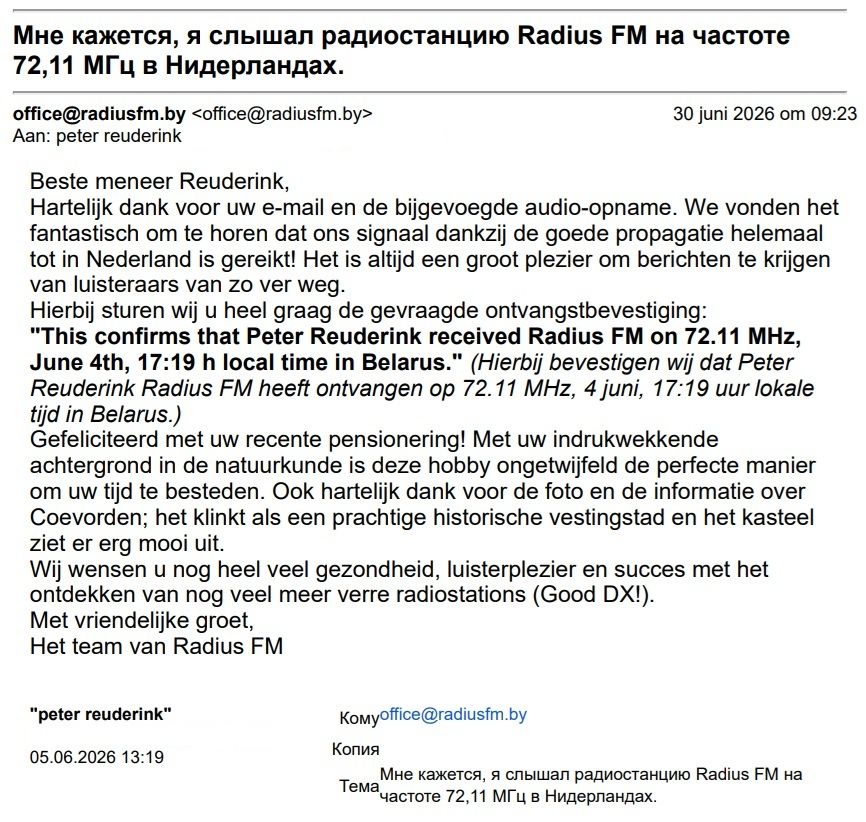
My first OIRT Band QSL for Radius FM, broadcasting from Minsk, Belarus on 72.11 MHz with 9 kW. Via office(at)radiusfm.by I received a fully detailed email in Dutch:

QSL email, in Dutch (!) for my reception of Radius FM, Belarus on 72.1 MHz

Radius FM was launched on July 12, 2003, in Minsk, Belarus. Despite it’s commercial contemporary youthful style it is is part of the Belarusian National State Television and Radio Company. As such it falls under the umbrella of the state media structure, which is directly overseen by the Office of the President of Belarus. This explains its extensive nationwide coverage and status as a major network. The Minsk transmitter on 72.1 MHz is the only outlet in the OIRT band, all other frequencies are in the regular FM band.

Today, more than two decades after its debut, Radius FM continues as a leading hit radio brand, blending current international and local pop music with digital streaming, a mobile app, and strong social media presence. It has evolved while staying true to its core identity as “the wave of top music.”

Radius FM station ID

Peter’s DX corner goes QSY

On the move!

Hello to all the followers of this humble DX blog.

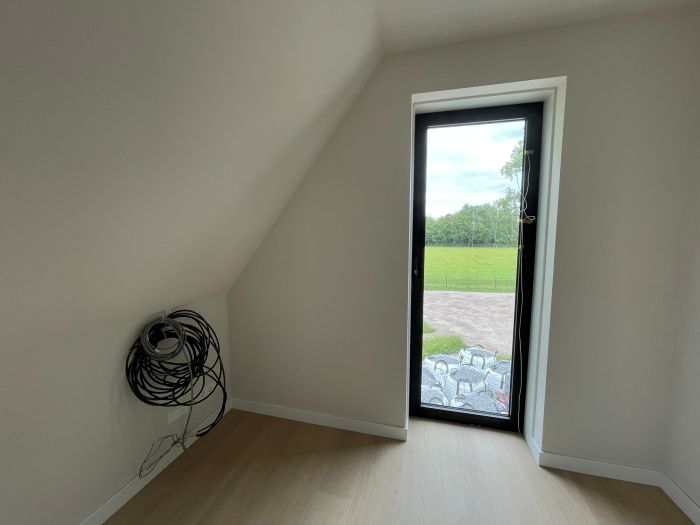
You’ve probably noticed that I’ve been a bit less active lately. Nothing to worry about, the reason is that our new house is nearing completion. So there are a lot of other activities that keep me busy.

The good news is that I’m getting a fantastic shack—hopefully in a QRM-free location as it is pretty rural. The first coax cables are already waiting for me 😉.

Closure of the Droitwich 198 kHz transmitter: the end of an era

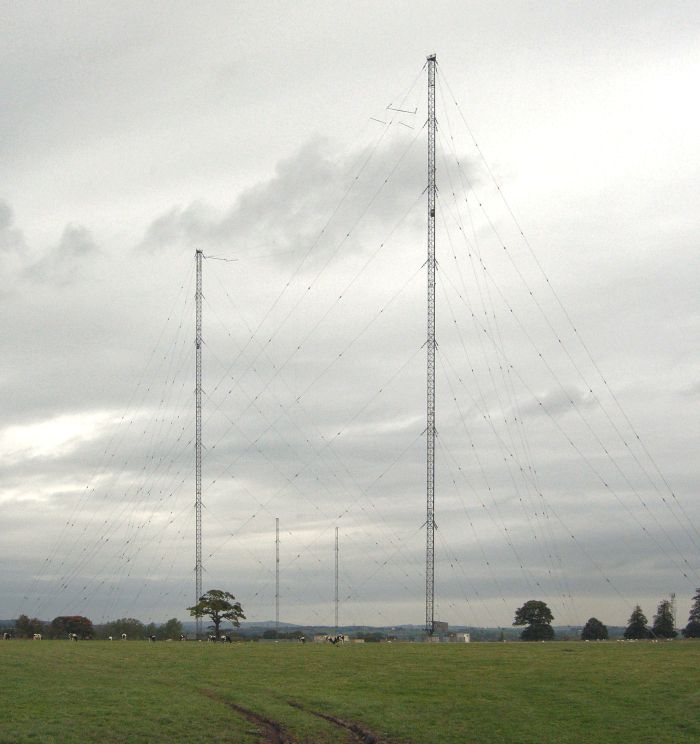
The BBC Radio 4 long wave service from the Droitwich transmitting station has come to a quiet but historic end. For decades, the powerful 198 kHz signal beamed out from the iconic Wychbold masts near Droitwich in Worcestershire, reaching across the UK and deep into Europe. Together with auxiliary transmitters at Burghead and Westerglen in Scotland, it formed a resilient national network that ensured Radio 4 could be heard in remote areas, at sea, and even in parts of Ireland and mainland Europe where other signals faltered.

My recording of the last minutes of BBC4 via the Droitwich Long Wave transmitter

The closure on 27 June 2026 at 01:00 BST marked the final broadcast after the Shipping Forecast and “Sailing By,” followed by a poignant sign-off. A looped retuning message played briefly before the transmitter was powered down permanently on 30 June. This brought to an end 92 years of long wave transmissions from the site, which began in 1934 with the BBC National Programme and later carried the Light Programme, Radio 2, and finally Radio 4 from 1978. The aging equipment, including hard-to-replace high-power valves, had simply reached the end of its operational life, prompting the BBC to prioritise cost savings and digital alternatives.

The Droitwich 700 ft antenna masts

This switch-off represents the end of an era for British broadcasting. Long wave offered unparalleled coverage and reliability for generations of listeners, from wartime audiences to farmers checking the Shipping Forecast or night-shift workers tuning in. Its low-frequency waves could travel hundreds of miles by hugging the ground and reflecting off the ionosphere, a technological marvel in its time. While FM, DAB, and online streaming now dominate, the loss of this analogue lifeline has prompted nostalgia and even a campaign to heritage-list the towering 700-foot masts as symbols of a bygone broadcasting age. Droitwich’s silence closes a chapter that began nearly a century earlier, reminding us how technology evolves while leaving behind a rich auditory heritage.

© 2026 Peter's DX Corner

Theme by Anders NorenUp ↑