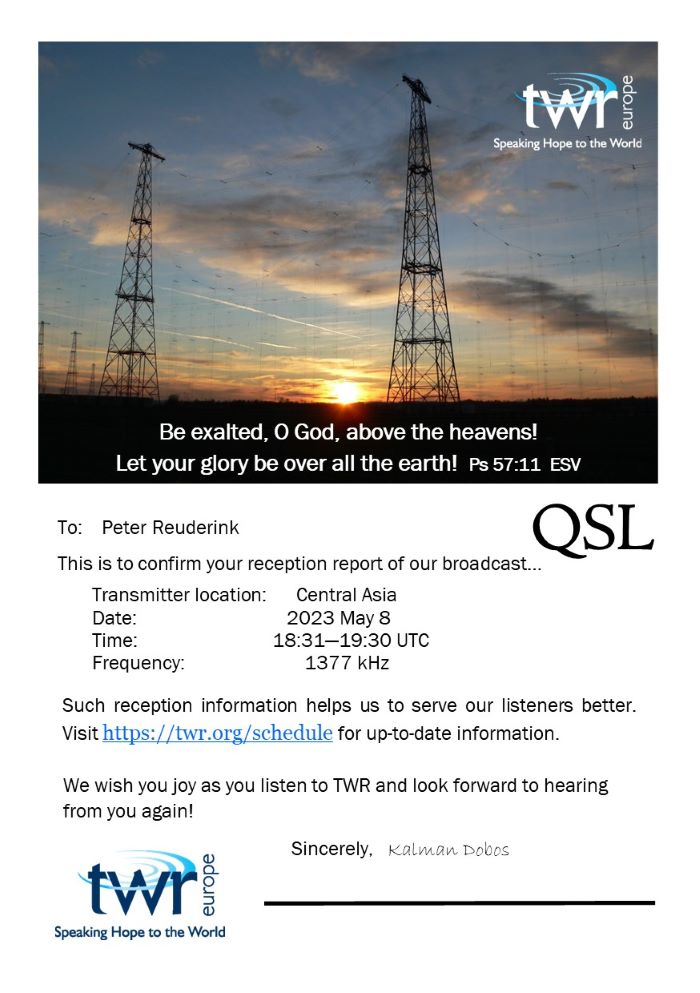
In May I received TWR (Trans World Radio) Central Asia on 1377 kHz. I heard a program in the Ukrainian language. My reception report was awarded with a nicely detailed e-QSL, signed by Mr. Kalman Dobos:
eQSL TWR Central Asia, 1377 kHz
One thing is missing though and that is the transmitter location. I haven’t seen anything else than “Central Asia” on their QSLs. It seems to be common knowledge though that the station is located in Gavar, Armenia. With 500 kW it can be heard in very good quality here in The Netherlands (SIO 454).
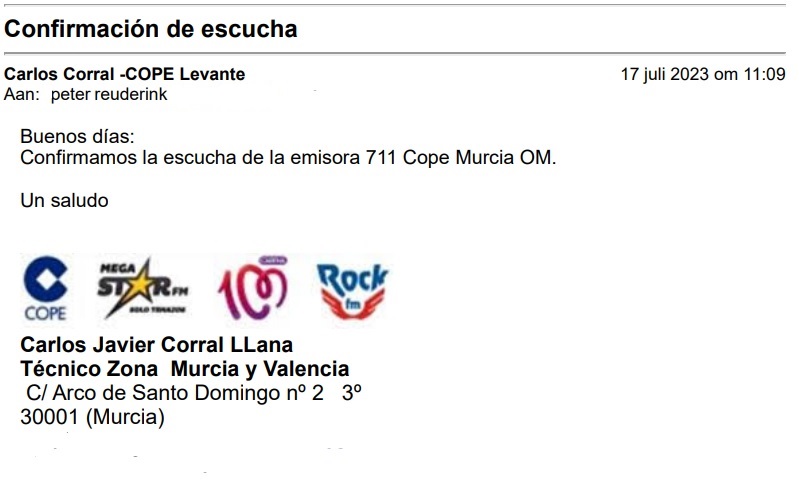
On Wednesday evening 21:28 UTC I received a local program from COPE Murcia on 711 kHz. Murcia is the name of a city and corresponding region in Spain. Carlos Corral from the Technical Department was so kind to confirm my reception with a nice email. Thank you Carlos!
email QSL of my reception of COPE Murcia on 711 kHz
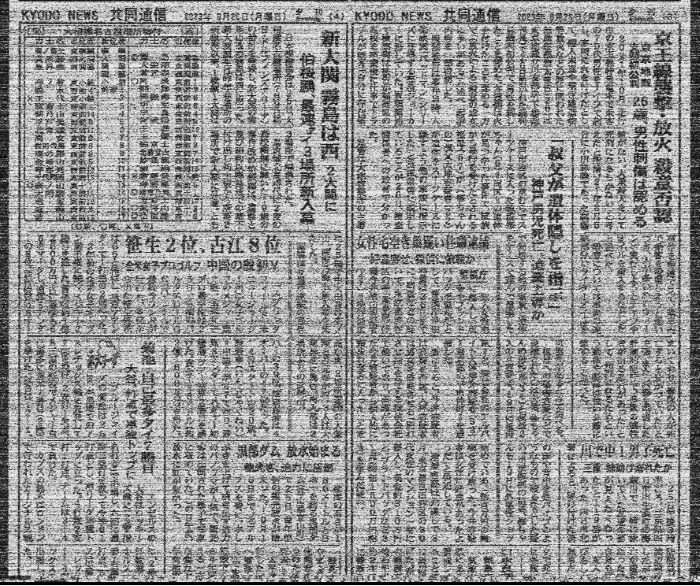
As far as I know – and correct me if I’m wrong, comments are more than welcome – KYODO from Japan is the only service that still broadcasts newspapers in FAX on HF / Shortwave. According to their website they are radio-transmitted twice a day to about 800 ocean-going ships and fishing boats, and hotels in resorts abroad. The first newspaper was published in 1964.
I received them with my RSPdx and MLA30+ antenna on June 26th, around 17:30 h UTC on 16971 kHz. Interesting detail: apparently because of the complexity of the Japanese characters they transmit in 60 rather than the more common 120 lines per minute.
A good overview of the few FAX transmission still available can be found on this website. KYODO has transmissions from Singapore as well.
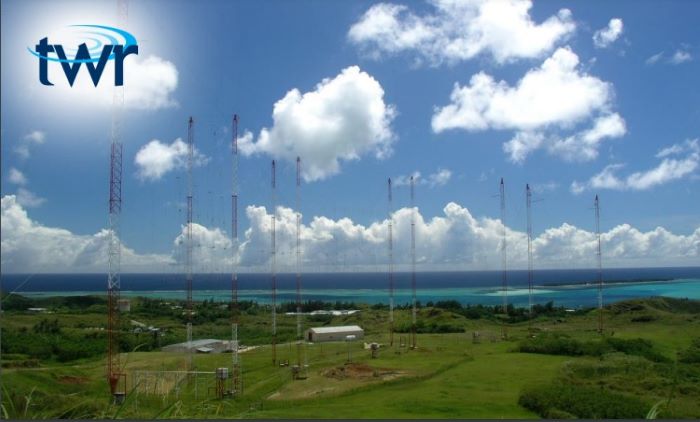
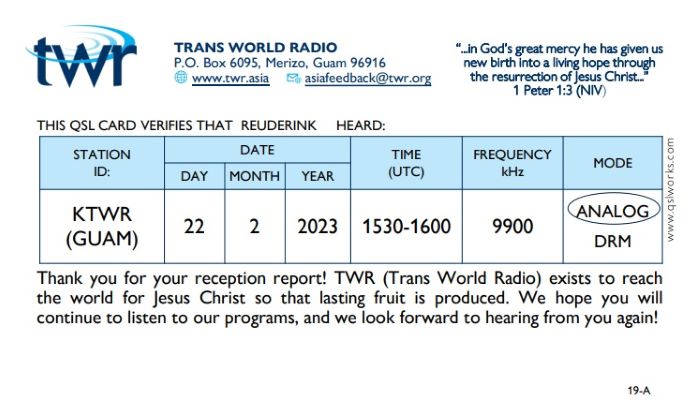
For my reception of their program in Korean language I received this detailed e-QSL from KTWR Trans World Radio Guam.
Detailed eQSL from KTWR Guam
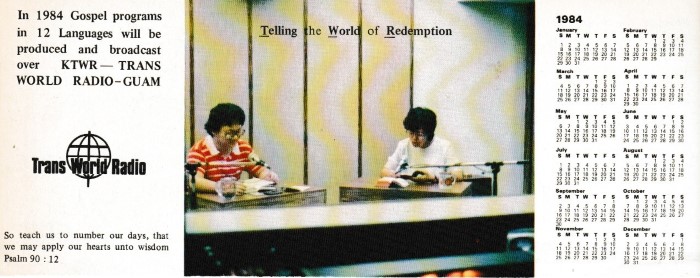
Checking my files I found that it was almost 40 years ago that I QSL-ed KTWR Guam for the first time. This is the card I received for my reception on 11840 kHz, December 30th, 1983.
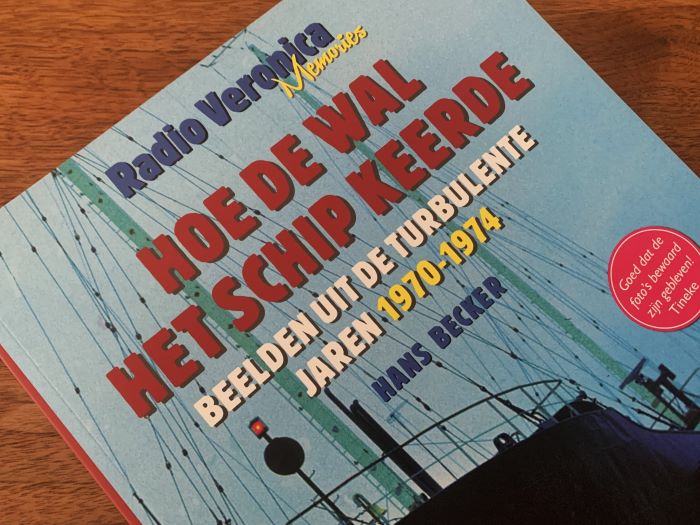
In April I received KL85 on 900 AM celebrating their 3rd anniversary. A little quiz was held during the show I was listening. “What is story behind the name of the station KL85?”. My answer was correct , it is Kortrijk – Leie and postal code 85. And today I received my prize: a beautiful book about the history of Radio Veronica. Find out more about KL85 and their cool programs on https://kl85.net/.
HCJB, “Heralding Christ Jesus Blessings” or “The Voice of the Andes” from Ecuador was the 4th QSL I received for my reception on the family radio back in 1979. At the time I could barely believe that I had just received a station from so far away. But it definitely contributed to me becoming a DX-er!
Operating since 1931 HCJB was the first Christian Radio Emmisary in the world. In 2009 the HCJB station was dismantled for the construction of the new Quito city airport. With satellite, FM and internet emerging it was thought that media consumption altered. Focus was on “planting” HCJB programs at local stations in local languages.
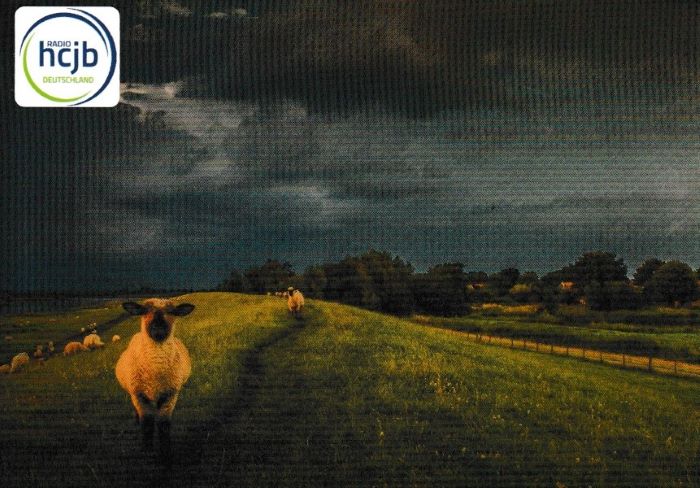
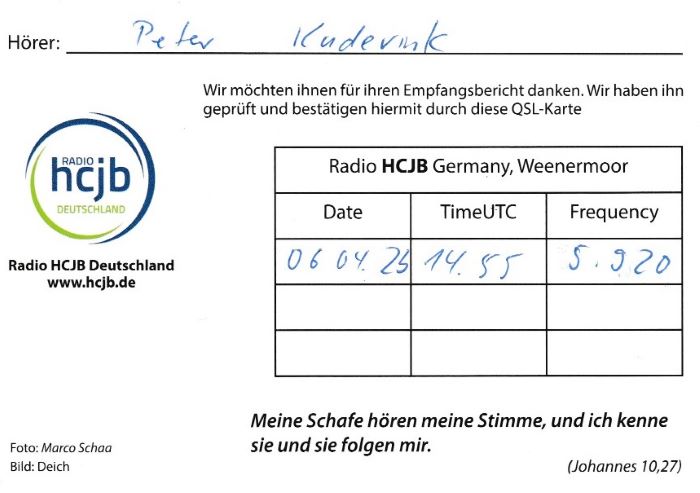
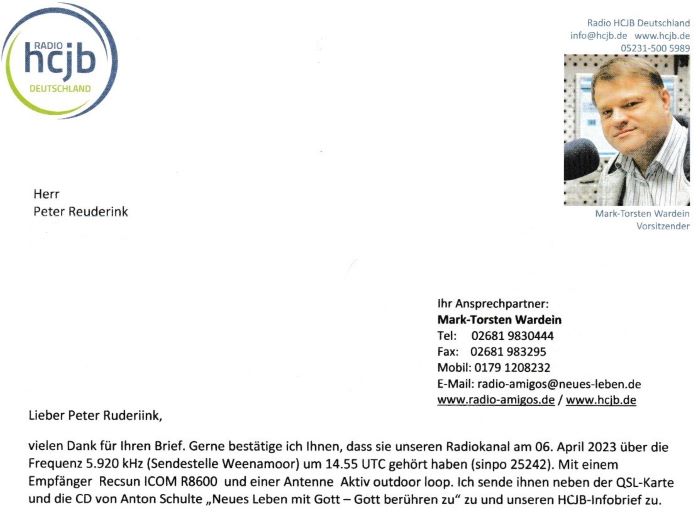
So I guess HCJB Deutschland is part of the heritage. With a 1.5 kW transmitter from Weenermoor, Germany, just across the border with the Netherlands in Ost Friesland they broadcast the Christian message. For my reception of their program on 5920 kW Mr. Mark-Torsten Wardein sent me a nice QSL card, a letter, a CD and additional info about their station.
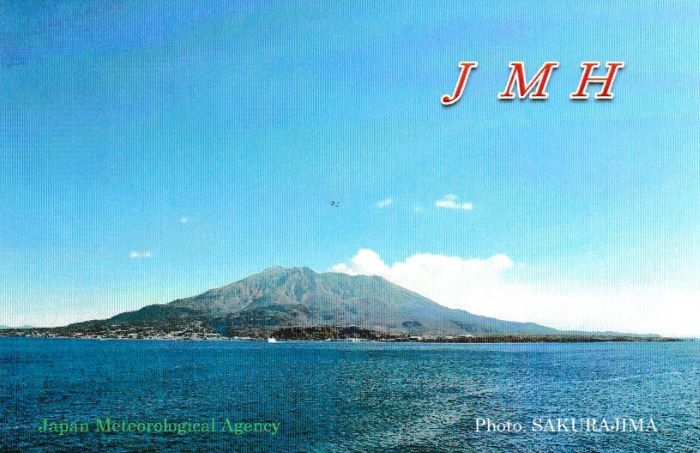
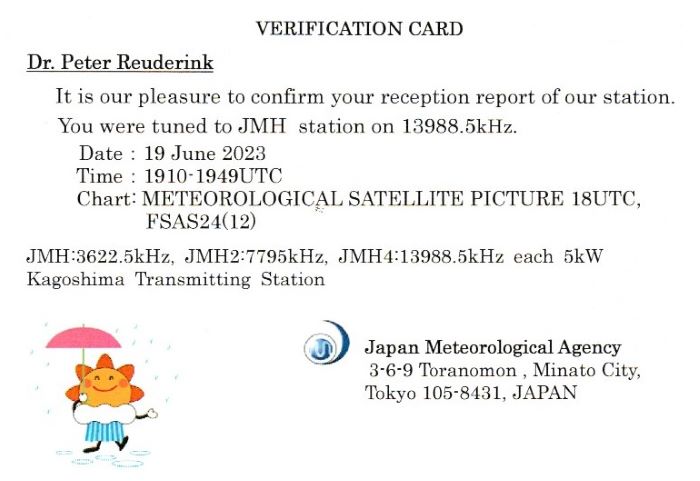
A physical QSL card from JMH / Japan Meterological Agency
They still exist… physical QSL cards, sent by mail, full of details. A big thank you to the folks at Japan Meteorological Agency for keeping up the tradition! I got my QSL JMH Japan Meterological Agency on 13988.5 kHz for my reception of weather charts via fax, which is almost a tradition in itself!
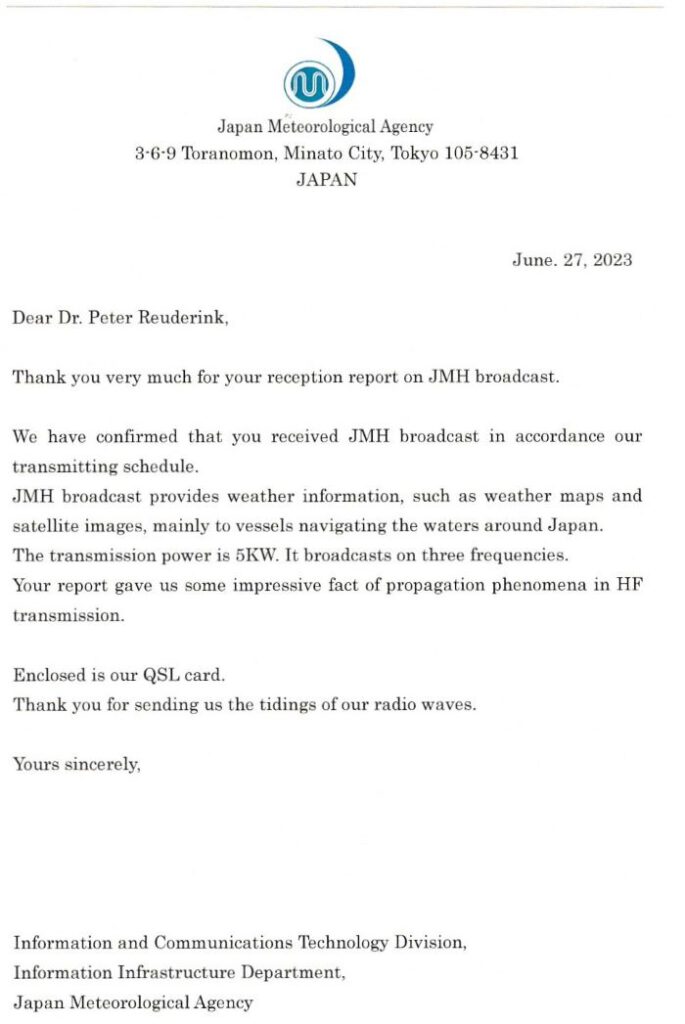
Nicely detailed QSL from JMH
I have to thank Hugo Matten as he reported good reception conditions late June for the reception of various stations from the Far East around 14 MHz. The QSL was accompanied with a kind letter with additional details:
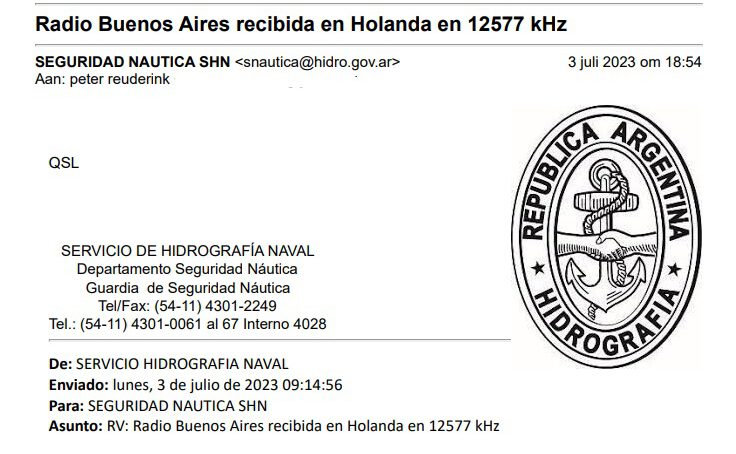
During my stay on a campsite in the north of the Netherlands I enjoyed good conditions on 12 MHz in a relatively noise free environment. That resulted in the reception of a lot of new DSC stations. SHN (Servicio de Hidrografia Naval) in Buenos Aires, Argentina, was one of those!
QSL… just three letters, but I got my QSL for MRCC Buenos Aires!
The email reply took hours only and was the shortest possible. But it carried the three key letters: “QSL”! (I added their logo to the email myself to improve the appearance of this post). I sent my report to shn@hidro.gov.ar. Confirmation followed via snautica@hidro.gov.ar, which is probably the Coast Guard branch.
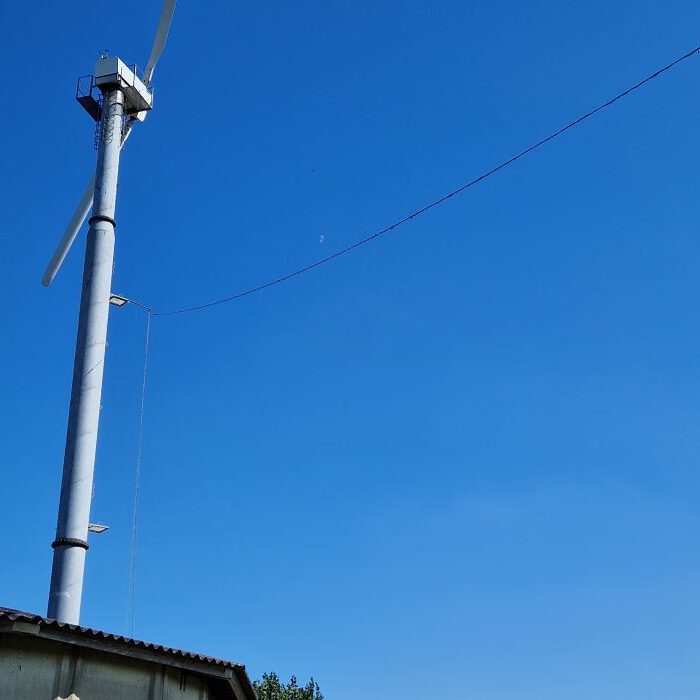
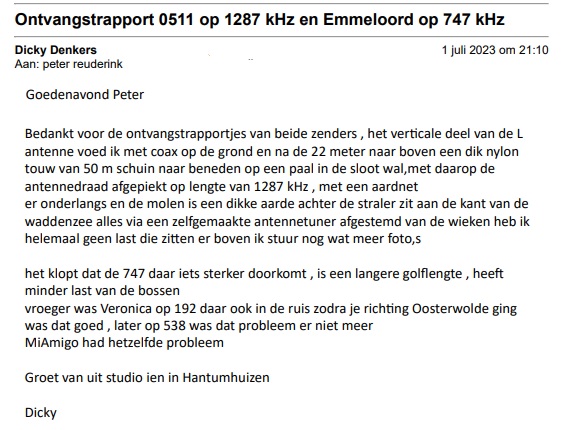
I enjoyed an email conversation with Dicky Denkers, the man behind the transmitters and antennas of LPAM stations Radio Emmeloord and Radio 0511. The antenna of Radio 0511 is located in Easternijtsjerk (in Frysian) or Oosternijkerk (in Dutch). In the north of the Netherlands, close to the Waddenzee. It is an inverted L , mounted on a windmill as you can see in the picture below:
Radio Emmeloord was stronger than Radio 0511 at my holiday location near Appelscha, some 50 kms away in the Drents-Friese forests. Dicky explained to me that the longer wave length might help getting through an area surrounded by forests. Being an experienced mediumwave broadcaster – going back tot the days of Radio Veronica and MiAmigo – he mentioned that stations in the past also struggled in this respect.
Soon after my return to the hobby a couple of months ago I picked up my interest for maritime radio as well. Thirtyfive years ago I received stations in morse code with CW and VVV markers. This allowed me to to QSL countries that were almost out of reach otherwise: D4A Cabo Verde, P2M Port Moresby, 3DP Suva…
But CW is gone, and DSC is what we got in return. And during the winter months I managed a couple of nice receptions on 2187.5 kHz in particular like Aasiaat Radio. But on the higher frequencies I was less successful, apart from nice catches like Charleville/Wiluna and Valparaiso. Despite the distance those stations are quite common however.
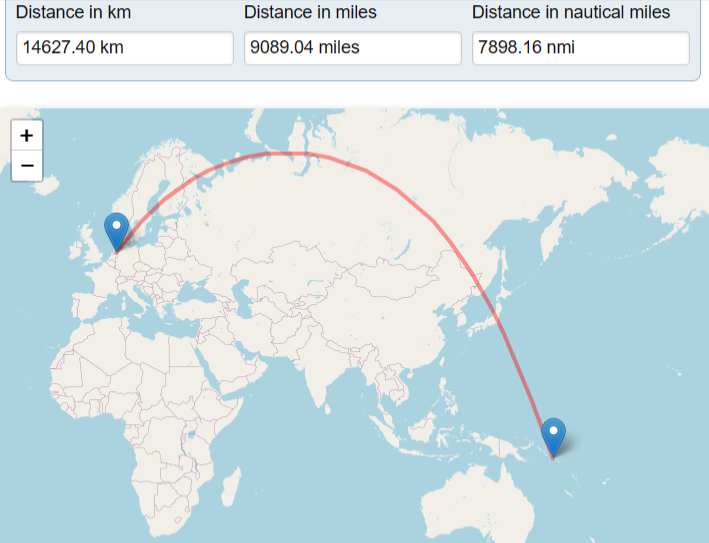
But since last week conditions are great. In the community I see DSC loggins from all over the world were made in Europe. My personal best catch was Honiara Radio from the Solomon Islands, the reception looked like this with the YADD decoder:
TIME: 2023-06-26 06:16:21 FREQ: 12577.0 DIST: — Km SYMB: 120 120 053 080 008 005 030 108 000 055 070 000 010 118 126 126 126 126 126 126 126 122 107 122 122 FMT: SEL CAT: SAF TO: SHIP,538008053,??? FROM: COAST,005570001, UNID TC1: TEST TC2: NOINF FREQ: — POS: — EOS: ACK cECC: 107 OK
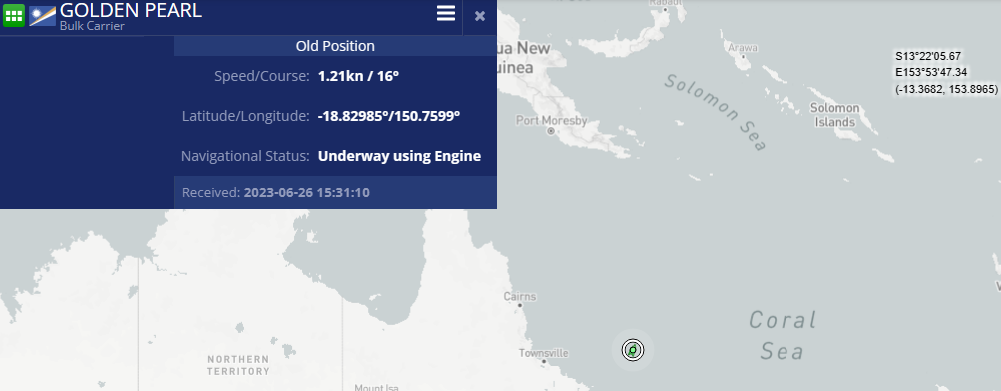
And yes, it read UNID. But the DSC community made me aware that 005570001 is MRCC Honiara, Solomon Islands! The ship contacted was a bulk carrier “Golden Pearl” on the Coral Sea. The emails are out, letters soon to be followed. Let’s see if I can QSL this one!
BDXC : SWL 2262 PRe VERON : NL 14228 If you want to get in touch, just leave a message on one of my posts. Please note that I don't publish email addresses of verifiers which are not part of the public domain. So if you don't see the QSL address, just leave a message and I'll get back to you.
Feel free to copy anything on this weblog. I try to provide accurate information, but if I'm wrong: don't blame me! A link back to my site is appreciated when you copy info.